
2015 - 2016 - 2017 - 2018 - 2019 - 2020 - 2021 - 2022 - 2023 - 2024 - 2025
In 2025 I read 72 books. The year had a clear centre of gravity: AI and economic statecraft — how intelligence gets built and commercialised, and how money and technology become instruments of power — anchored by a return to Brazilian literature and a couple of books that read like literature about science. These ten left the strongest impression.
Best books I’ve read in 2025#
Como os Países Quebram (How Countries Go Broke) by Ray Dalio#
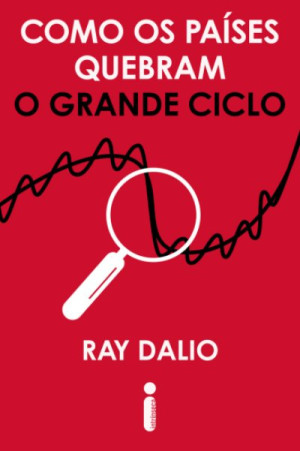
Dalio applies his “big debt cycle” lens to sovereigns: how great powers accumulate unsustainable debt, what the endgame mechanics look like, and the warning signs along the way. Read in Portuguese.
A clear, almost clinical walk through deficits, reserve-currency erosion and the long arc of fiscal decline. The natural companion to his Changing World Order — read them together.
Underground Empire by Henry Farrell & Abraham Newman#
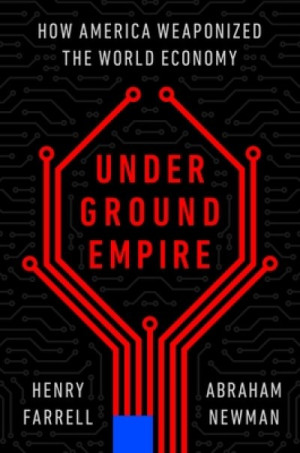
How the United States quietly turned the plumbing of the global economy — dollar clearing, SWIFT, semiconductors, undersea cables — into instruments of coercion.
The best single book I read on economic statecraft: sanctions, export controls and chokepoints explained as infrastructure. Essential for understanding the news.
Coisa de Rico by Michel Alcoforado#

An anthropologist’s ethnography of the Brazilian ultra-rich — how money, taste and distinction actually work among the endinheirados.
Rigorous social science that reads like sharp reportage. Funny, uncomfortable, and revealing about a world rarely studied from the inside.
Dom Casmurro by Machado de Assis#
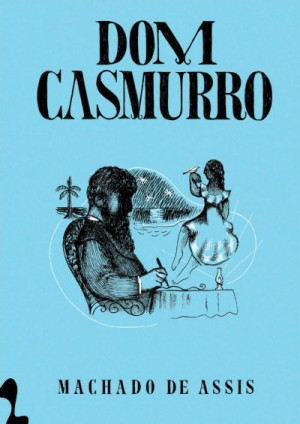
The Brazilian canonical novel: Bentinho, Capitu, jealousy, and the most famous unreliable narrator in the language. A reread that rewards every return.
Did Capitu betray him, or is the whole book the self-justification of a jealous man? Machado never tells you — and that’s the genius.
Supremacy: AI, ChatGPT, and the Race That Will Change the World by Parmy Olson#
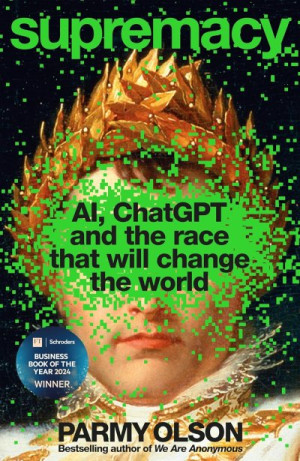
The story of the modern AI race told through Sam Altman (OpenAI) and Demis Hassabis (DeepMind) — two opposed temperaments and the commercial pressures that reshaped the field.
The clearest narrative I’ve read of how we got here. For an engineer working on AI, useful context on the incentives behind the tools.
Main Street Millionaire by Codie Sanchez#
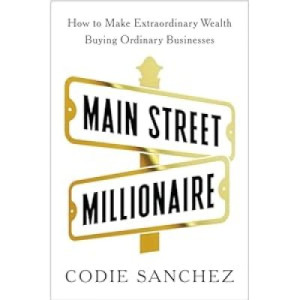
A contrarian wealth playbook: buy “boring,” cash-flowing small businesses instead of chasing startups.
Refreshingly concrete after a decade of tech-glamour narratives. Acquisition entrepreneurship as a path most people never consider.
A República Tecnológica (The Technological Republic) by Alexander C. Karp & Nicholas Zamiska#
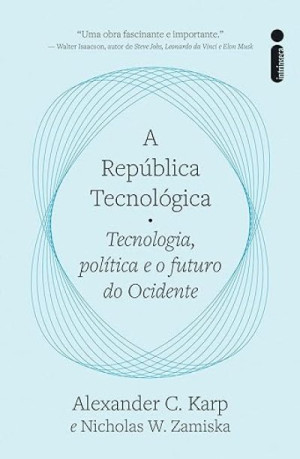
The Palantir CEO’s argument that Silicon Valley abandoned hard, national-purpose problems for consumer trifles, and should re-ally itself with the West and the state.
I rated it 3★ and I strongly disagree with its worldview — but it earns a place here precisely because it lays out, in their own words, the ideology of a powerful group that is now deeply influential in the U.S. government. Read it to understand what they believe and where it leads, not as a program to endorse.
The Magic of Code by Samuel Arbesman#
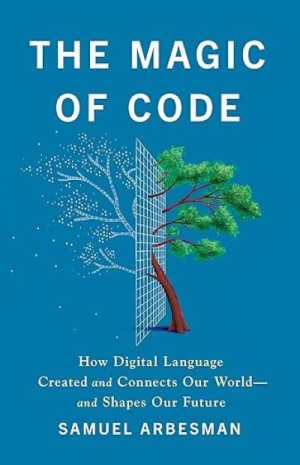
Code as a new kind of language — a humanistic, wonder-driven tour of computation across science, art and the humanities.
A reminder of why this craft is fascinating, beyond the day job. The rare tech book that’s about awe rather than productivity.
When We Cease to Understand the World by Benjamín Labatut#
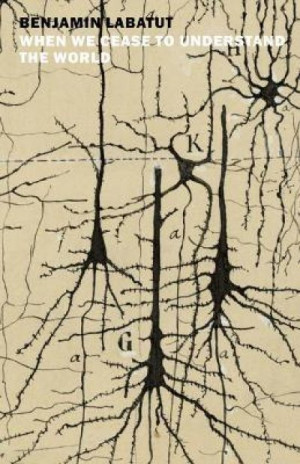
A hypnotic blend of fact and fiction about the vertiginous edge of 20th-century science — Schwarzschild, Grothendieck, Heisenberg — where genius shades into madness.
Literature about science that left me unsettled for days. Beautiful and strange. My favourite reading experience of the year.
One Day, Everyone Will Have Always Been Against This by Omar El Akkad#
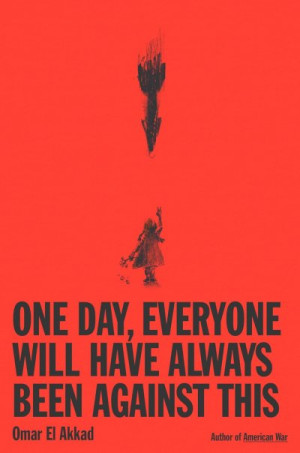
A searing essay on moral complicity, witness, and the contradictions of Western liberalism in the face of atrocity — told from the side of the oppressed.
This is the most heartbreaking book I read all year. I finished it with a deep, lingering sadness that stayed with me for days. It’s also one of the most important: it forces you to see current world events through the eyes of those who suffer them, not those who narrate them from a safe distance. Hard to read, and necessary.
Want the longer view? Browse the full library, or my technical reviews.